Wednesday, 26 August 2015

Why saying no is important

Written 25/08/2015
Why saying no is important
Learning how to say no is a difficult, yet essential skill. People who can’t say no help others at the expense of themselves, which results in feeling overwhelmed, drained and guilty. Saying no not only helps you, but it also helps other people. 
1)      There is a difference between saying no and ‘being mean’
People often think saying no to something is being mean, and it’s easy to see why this is the case. When you say no to someone, they often interpret as you being mean or unhelpful, and this is exacerbated when you like the person you are rejecting. Repeat to yourself:
SAYING NO IS NOT A PERSONAL REJECTION!
You must learn how to separate the person from the request. If some anonymous person who you knew nothing about had asked it, would you feel the same way towards it? Would you feel obligated to say yes? Learn how to separate the request from the person asking. By doing this, you give the request your full attention, rather than muddling it with your emotions. In the workplace especially, requests should not be emotionally charged. You may offend people who have not realised this by saying no, but recognise that you have no personal obligation to do something just because someone asked you to.
2)      Saying no helps everyone
If you take on duties you don’t want and are not obligated to do, this drains your time and energy. You won’t be your best self, which means any work you do for that person will not be as high quality as it could have been. Expectations and resentment from both sides may grow. In short, accepting requests creates an imbalance, which can lead to hurt feelings and messiness.
Saying no ensures that you use your time and energy only for things that you care about and want to focus on. This allows you to be at your best, and you should always aim to do be at your best.  It also ensures the person asking can manage their expectations. They don’t want someone who will say yes out of obligation, and then do the work half-heartedly because they feel resentful or are too busy. Or, if they are constantly relying on people to help them out, saying no will teach them valuable life skills. Overall, saying no when you know the request is not right for you is actually more helpful in the long-run than saying yes. 
3)      People respect you when you say no
People think that saying yes to everything will make people like and respect them. This is not the case. You should always aim to be your best self. If you know something is going to detract from that, you should say no. This could be for a variety of reasons: you don’t have time, you don’t enjoy the work, you won’t learn anything from it, etc. If you say yes in spite of this, ultimately people will realise you don’t value your time and you have no direction, because if you did you would decline requests that are not in line with what you want. When you initially say no, people may react in an upset or disappointed way, but once they realise that you are prioritising yourself, they will respect you for it. If they don’t, and they resent you for saying no, then this is a great indicator that this person values themselves over you because no one should expect people to feel obligated to say yes to them.
Conclusion

Saying no is difficult, especially initially if you have always said yes to others. People don’t like hearing the word no, and as a result may be react negatively in the moment. Nonetheless, it is important to power through and see the big picture. Saying no is better for yourself and for others, because it ensures you will not commit to something you don’t want to do. By doing this, the person requesting a favour will either find someone else who is more committed, or if they often take advantage of others, will learn to do it themselves. Saying no will also help you, because it will ensure your time and energy is only spent on things that you want to do.

How to have a productive meeting

Written 24/08/2015

How to have a productive meeting
How many times have you gone to a meeting, talked vigorously for an hour, sat down at your desk and realised you had accomplished…nothing?
It’s easy for meetings to become unproductive. Gathering a group of people together with an unclear agenda is a guaranteed time waster. Here are some tips for having a productive meeting:
A few days beforehand…
1)      Plan Ahead
The purpose of meetings is to share ideas, but it’s essential to know what you want to get out of the meeting before going in. This isn’t to say you need to plan everything to the finest detail! Here is a structure I find useful, with examples:
What do I need to achieve from this meeting?
- to gain a basic of understanding of X
What information does this require?
- the purpose of X
- basic understand of how X operates
What information will they be able to provide me?
- all of the above, as this is the team that runs X.
What level of detail do I need?
- high level understanding. We have an hour booked, so this is possible.
Plans going forward
- initial understanding meeting, then follow up meetings thereafter. 
Specific questions
- how often is X updated?
- time commitment for our team to get involved
- format of data for X
2)      Share your plan
It’s always a good plan to share what you need to have covered with everyone else before going to your meeting. This will help them structure their thoughts before the meeting. There’s nothing worse than booking time with someone, asking them a question and having them say, “Hmmm, I don’t know anything about that! I’ll have to check in with Lucy later on. Could we schedule a meeting for next week?”
When you share your plan, you don’t need to go into the same level of detail as the above. You can simply say, “Hey Jim, I wanted to drop you an overview of what I wanted to cover in our meeting next week. I need to have a high-level understanding of the purpose and operation of X. After our initial meeting, we’ll have to schedule some follow-up meetings later on to ask some more specific questions.”
Right before the meeting…
3)      Make time before the meeting
There’s nothing worse than rushing from meeting to meeting, feeling harried and forgetting what you need to cover. Make sure you have 10-15min before each meeting to sit by yourself and clear your head. It’s essential to be focused in meetings, as they have the propensity to lose track of what needs to be discussed. For all the people who read this and immediately think, “I don’t have time! I’m in meetings all day, every day!” that is not an excuse. I guarantee you that your meetings are not as productive as they could be. It is better to carve out 10 minutes to yourself to put yourself in the right frame of mind and remember what the meeting is for, then to have 3 back-to-back meetings and have to schedule follow-ups because you forgot to ask an essential question.
4)      Write a priority list
Right before your meeting, you should spend a few minutes writing a list of points you need to cover, from highest priority to lowest priority.  This shouldn’t be as structured as the previous plan. At this point, you should have a good idea of what needs to be covered. Writing a priority list will let you brainstorm what purpose of the meeting is and what the main points are to be covered. This will help you focus your thoughts, and will also provide you with confidence beforehand.
During the meeting…
5)      Explain what you need and stick to the priority plan
You should have already shared your plan prior to the meeting. Now is the time to briefly recap this, so they understand what needs to be covered. This can be as brief as, “Like I said in the email last week, we need to have a high-level understanding of what X’s purpose is, and how it works. Specifically, I need to have A, B and C answered by the end of this. Is this OK?” It’s helpful to have your priorities written out, so you can show this in the meeting.
6)      Keep an eye on the time and control the conversation
Having an idea of the structure automatically ensures you are in control of the meeting. When no one has a structure, conversations meander and you end up wasting time on irrelevant areas. Ensure you stick to your priority plan, and steer the conversation towards what you need. If the person has a tendency to drift off, it’s perfectly fine to say, “That sounds interesting, Jim. We might need to follow-up with you on that in a later discussion. In the meantime though, let’s stick to the plan for today. Can you run me through…”
After the meeting…
7)      Send a follow up email
It’s extremely useful to write up notes on the meeting after it’s finished. It’s very easy to put this off, start doing other work, and when you come back to the meeting think, “Damn, I can’t remember what we talked about!” Once the meeting is concluded, write an email to all the participants with a brief overview of what was covered. This should include the following sections:
Aims (what we wanted to cover)
- we wanted to understand a high-level overview of the purpose and operations of X
Understanding (what we did cover)
- from this meeting, we understand that X was created by the Y team to facilitate the breakdown of department and employee characteristics
- we understand usage of X requires an understanding of Z 
Outstanding (further information we need)
- we will need more information on what Z is; specifically when it was created, and how often it is updated
Going forward (our plans for the future)
- we will schedule a follow-up meeting with yourself and Michael, the member of your team who is responsible for Z. Can you please provide Michael’s email so we can schedule this.
Conclusion

Good meetings are all about planning. You can only gain insight on a situation when you have an understanding of the situation. Don’t be too rigid when planning meetings- you can only plan so much, since you don’t have the information from the meeting yet! Still, you should have an idea of the purpose, main points and level of detail you expect from the meeting beforehand. You should allow some time for small chat and for bouncing ideas, but ultimately there should be a high-level plan you should stick to which will help you ensure you get the information you need.

Sunday, 23 August 2015

The Importance of Dinner Parties

Today we had an impromptu dinner party. Ben invited his cousin, her boyfriend and her two friends over to our flat. We had a wonderful time. I really enjoy dinner parties. It's great to meet people in an informal (and free!) setting, where you can relax, eat and have good conversations. I really like Ben's cousin and her boyfriend. They're both intellectual and worldly people, and I always enjoy talking to them. We've gone to their flat a few times for dinner before, so it was nice to have them over to ours for once! They came over around 6.45, and Ben only started cooking around 5! We had a few Chinese dishes. Ben is a great cook, and everyone enjoyed themselves. Recently Ben has been wanting to see his friends because he hasn't been socialising much, so I was surprised that he stayed on the sidelines and cooked and tidied for most of the evening. As an extrovert, I expected that he'd be keen to jump into the conversation, but actually he said he was tired from cooking and just enjoyed having people in the background! I never thought of this before- I enjoy this too, but I thought it was an introverted thing. I always assumed extroverts needed to be in the midst of conversation. Overall, it was a really lovely evening. Dinner parties are the perfect amount of socialising for me, and I really enjoyed it!

Saturday, 22 August 2015

Top Tips for Jumpstarting Your Day

It's easy to get stuck in a funk. Here are some top tips for jumpstarting your day:

1) Exercise

Exercising is a great way to get energised and feel better about yourself. It doesn't matter if you don't exercise regularly. There is a Japanese concept called kaizen that can be summed up to focusing on continuous, incremental improvement. Try to do a little bit more, every day, without any pressure on yourself. This can be one push-up or running a mile. Personally, I enjoy yoga, swimming and doing Youtube fitness videos. Here are some website recommendations:

Blogilates: Cassey Ho is a Youtube fitness instructor best known for her upbeat demeanour. Her videos are free to view online. Her audience is mainly women, but anyone can do her fitness videos! They are short, hard and fun. I think of myself as fit, but I still get tired from doing these! She has modified poses for beginners, and does a variety of videos (POP pilates, HIIT, focus on different body parts, etc). When I need a boost of energy, I like to do her videos.

Yogaglo: this website provides unlimited online yoga classes for just $18/month. I can't recommend Yogaglo enough! I have been doing yoga only on Yogaglo for several years, and I love their classes. The teaches on Yogaglo are excellent, and videos can be filtered on time, experience level, yoga style, focus and much more. This is a great resource, especially as yoga classes can be very expensive, and the quality of yoga teachers can vary. If you've been practicing for years or are brand new to yoga, there are videos online that will suit your experience.

2) Do some chores

It's easy to let your chores slip when you're in a funk. You don't vacuum, leave dirty dishes lying around, have laundry piled up...the list goes on. Getting just one of these chores out of the way can make you feel energised. Wash a few dishes and make the bed! You'll feel better knowing you're looking after yourself, even if it's just a small task.

3) Eat a healthy diet

Eating healthier will definitely give you more energy. It's tempting to try to boost your mood but eating unhealthy (but tasty!) food, but ultimately this will lead you into a destructive cycle. Start eating a little bit healthier every day- follow the kaizen method! If you try tor revamp your diet completely, you'll be bound to fail and you'll feel even more demotivated. Try to eat healthier snacks, or make sure you eat breakfast before you leave the house. Once you get into healthy eating habits, your mood and energy will improve.

4) Start your day with something inspiring

When you wake up, do you roll over, grab your phone and start looking through your emails/social media? Do you feel inspired when you do this? The answer is probably no, and it's a shame to start your day so mindlessly. Instead of looking at your phone, pick up a book instead and read a few pages! Find something to do that you enjoy that isn't too much work, and isn't related to your day ahead

5) Get in a routine

It's all well and good to do these things occasionally, but to feel consistently energised, you need to have a healthy, wholesome routine. This doesn't mean planning your day minute by minute. This could be a loose plan of things you enjoy that you would like to fit into your day. For me, I like having time to myself in the morning, and I like exercising and reading.  Although I don't always do it, I like to wake up, exercise and watch TED talks while I eat breakfast. I find this combination really energises and inspires me. Make sure to make time for the activities you enjoy.

Friday, 21 August 2015

Top Tips for Introverts

I identify as an introvert. My default state is to be alone. Still, I really enjoy interacting with people, and when I have energy I am actually quite friendly. Remember- just because you're an introvert doesn't mean you're shy or awkward. It just means you gain energy by being by yourself.

Since I've started working, I've struggled to find the balance between having alone time and being social. Too much alone time, and I feel lonely and crave connection. Too much socialising burns me out. It's been difficult, and in the past I have found myself trapped in cycles of spending too much time alone, which made me feel lonely, trapped and socially anxious. Here are some tips for getting a good balance:

1) Get into a routine

I am a big advocate of building a good routine for yourself. Some people think that routines reduce spontaneity, but I think routines can actually help you become more balanced and creative. Personally, I enjoy waking up early so I have time for myself in the morning. I like to do yoga, eat a leisurely breakfast, have coffee and read before going to work. I also like having lunch by myself, doing exercise in the evening and being in bed by 10. Obviously you can change your routine up- sometimes I see my friends in the evening, sometimes I go to the gym, sometimes I just stay at home! Still, I know the core activities stay the same, and find this extremely grounding. When you are certain you are going to do activities that fulfil you every single day, you have more energy to face potential social situations.

2) Don't feel pressurised to join in

Introverts often feel pressure to appear more extroverted, and worry they will come across as unfriendly if they don't socialise. This is a common issue, and unfortunately I believe there is some truth to this fear. Socialising is necessary sometimes; be it a team lunch, a friend's birthday or a family dinner. To combat this, know what events are important and decline the others. You don't have to go to every single event you're invited to. Ultimately, you're not an extrovert, and too much socialising will tire you out and make you poor company.

Does your team go out for lunch together every Friday? You might want to join in so you can maintain your relationships, but for the rest of the week feel free to eat your lunch alone. Is it your partner's birthday party? Probably best to go- but don't feel pressurised to go to your partner's distant cousin's wedding next weekend. In short, choose your social commitments wisely. As long as you know you'll have time to recharge later, you'll probably enjoy them!

3) Know your energy levels

To further help you choose what events to go to, you need to know what you enjoy and what you don't. For example, I know I hate big crowds and bars. It makes me very uncomfortable to be with lots of people I don't know, and I hate bars because they're noisy and I don't know where to stand. My partner has a large group of friends who like to drink and meet up at bars. I hate it. I know I would feel terribly awkward if I went and I would feel drained. On the other hand, I don't mind going to large dinners. If I know he's going to a bar with his friends, I always say no. If he's going to dinner with his friends, I'll occasionally say yes because I know I'll enjoy myself more.

4) Explain what being an introvert means

Being an introvert is nothing to be ashamed of. People will be more understanding if you explain you need time to yourself. You can graciously say, "I think I'd prefer to eat lunch by myself today. I've had a busy morning and need a lot of down time", and people won't think twice about it! Using the example above, my partner explained to his friends that I don't like socialising in big, noisy crowds and they understood. People react well when you open up to them. There's no reason to feel bad about needing time to recharge, so don't feel nervous about sharing this with others.


How to Ask Good Questions

Sidenote: this was written yesterday, I just didn't get around to posting it in my blog!

How to ask good questions
The only way to get good answers is to ask good questions. Asking good questions is a skill, and can be improved upon with thought and process.
1)      Understand the purpose of your question
This may seem obvious, but it’s surprisingly common! To get a good answer to your question, you first must understand why you are asking it. When you’re feeling stressed or overwhelmed, it’s easy to lose focus on what you actually need help with. Imagine this scenario:
You’ve been given a task at work with a tight deadline, and you’re confused. You’ve attempted it, but you can’t seem to make any progress. The more you look at it, the more overwhelmed you feel. You go to your boss and tell her you’re having difficulty. When she asks what the problem is, you say “I don’t know! I just don’t understand it? Can you help me?”
This is a prime example of a bad question. It gives no context to your scenario. It’s important to break it down, so the person you are asking can understand it. A better way to phrase this would be:
“I am struggling with the task and I have been feeling overwhelmed. There are two main areas I am having trouble with: the technical content, and my relationship with my colleague. I don’t have prior experience with this IT system, so I am having difficulty understanding how to use it. My colleague has also not been answering her emails or phone calls, and I need information from her. Can you please advise on this?”
If you are struggling to understand what you need help with, you need to take a deep breath and take a break. Think about all the things that are involved in the issue- the content of your work, the timings in which you need to do it, the team, your client, etc- and then judge whether you are happy or unhappy with the way each is going.  
2)      Cut out the niceties- be efficient
People at work are busy. When you ask questions, they should understand immediately what your problem is.  It is a waste of time to add meaningless, flowery language when your ultimate goal is to ask a question. 
You are busy at work and have a deadline to meet. You get a message on Lync from someone in another department:
“Hi Tina, how’s it going?”
Reluctantly, you reply.
“Hi, I’m ok. Pretty busy.”
“Oh OK, I don’t want to take up much of your time! I have a question for you.”
“What’s up?”
“Do you have experience with Excel?”
“Yeah I have some…what do you need?”
“Are you sure you don’t mind helping me? I won’t take up much of your time but I heard you’re good at Excel from Sarah.”
“It’s OK, just let me know what you need help with.”
“Well I’m doing this data analysis project for our department. Anyway, I was looking on Google but I am really bad at Excel so I couldn’t figure it out. It seems really silly, but we’re trying to analyse the average age per group. I have no idea why! Do you know how to do it?”
“Write =AVG in the cell, and then highlight the column of ages you want to be included.”
“Thanks so much!! That’s so simple haha, I couldn’t figure it out. Really appreciate it!! J
Did you get annoyed reading this? Now, how about you were asked this question instead:
“Hi Tina, do you know how to figure out the average of a set of numbers in Excel?”
“Write =AVG in the cell, and then highlight the column of ages you want to be included.”
“Thanks, appreciate it!”
How much better was the second option than the first? The first option broke all the rules of asking a question:
1)      There were too many niceties and unnecessary questions. People are often nervous about asking questions, and try to be polite by making small talk. STOP THIS. You can be efficient and pleasant. If you have a question, ask the question straight away. There is no need to make small talk or, if you are writing an email, add flowery language like ‘hope you are well and had a really good vacation! You must be really busy so I won’t take up too much of your time. I had a question about…’
2)      Unnecessary apologies. There is no need to apologise for asking a question. I admit I am guilty of this, but no one should apologise for asking a question. Ultimately, everyone is in a work scenario. The purpose of this is to do our work. If we can’t do our work, we need to find some way to figure out how to do it, and this means asking GOOD questions. If your questions are succinct and understandable, then there is no reason why you shouldn’t ask. 
3)      The question was hidden in unnecessary information. Only provide context that is essential to understanding the question. The person you are speaking to you doesn’t need to understand why you are using the data, whether or not you are good at Excel or not, etc. The aim of the question is to understand how to use a function in Excel, so this is the only information that needs to be provided. If they need more information to figure out how to answer your question, they will ask it!

3)      Follow the emotion -> identify -> explanation format
Questions should be succinct and easy to understand. Each step provides essential information to the person you are asking the question to. Using the example above:

Emotion
“I am struggling with the task and I have been feeling overwhelmed.” -> your boss immediately understands you are having an issue with your work, and need her help.
Identify
“There are two main areas I am having trouble with: the technical content, and my relationship with my colleague.” -> your boss understands the overall areas they need to help you with.


Explanation
“I don’t have prior experience with this IT system, so I am having difficulty understanding how to use it. My colleague has also not been answering her emails or phone calls, and I need information from her.” -> your boss understands the specific issues you are having difficulty within this problem.
Conclusion

Overall, your questions should be straightforward and easy to understand. They should be as specific to your problem as possible. No one likes to be confronted with the, ‘I don’t know what to do, I need help with EVERYTHING’ question. It is better to spend 15min asking a good question, than 1min asking a bad question, and having to ask multiple follow-up questions. Perfect the art of asking good questions, and you will get good answers.

Wednesday, 19 August 2015

Margaret Pyke Centre

Today I went to the Margaret Pyke to discuss my contraception choices. The Margaret Pyke centre provides contraception and sexual & reproductive health services. Here is a link to their website.

http://s3-media1.fl.yelpcdn.com/bphoto/9vZ5cofihKISldW6fOrGrw/348s.jpg

It hasn't been easy for me to find suitable contraception. I started the 'mini pill' when I was 18, which is a progesterone-only hormonal pill. At the time, I had no side effects. I stopped using the pill after I got out of a long term relationship, and then used condoms. I started using the mini pill when I started a long-term relationship, but unfortunately I had side effects including acne and mood swings. This became unbearable, and I stopped for several months. I then decided to go on the combined pill, which contains both progesterone and oestrogen. This again caused mild acne (though it was supposed to regulate it), and also caused mood swings. I continued using this pill until I woke up one night and had a panic attack, at which point I decided to stop using it.

Credits:http://i.telegraph.co.uk/multimedia/archive/02180/pill_2180578b.jpg

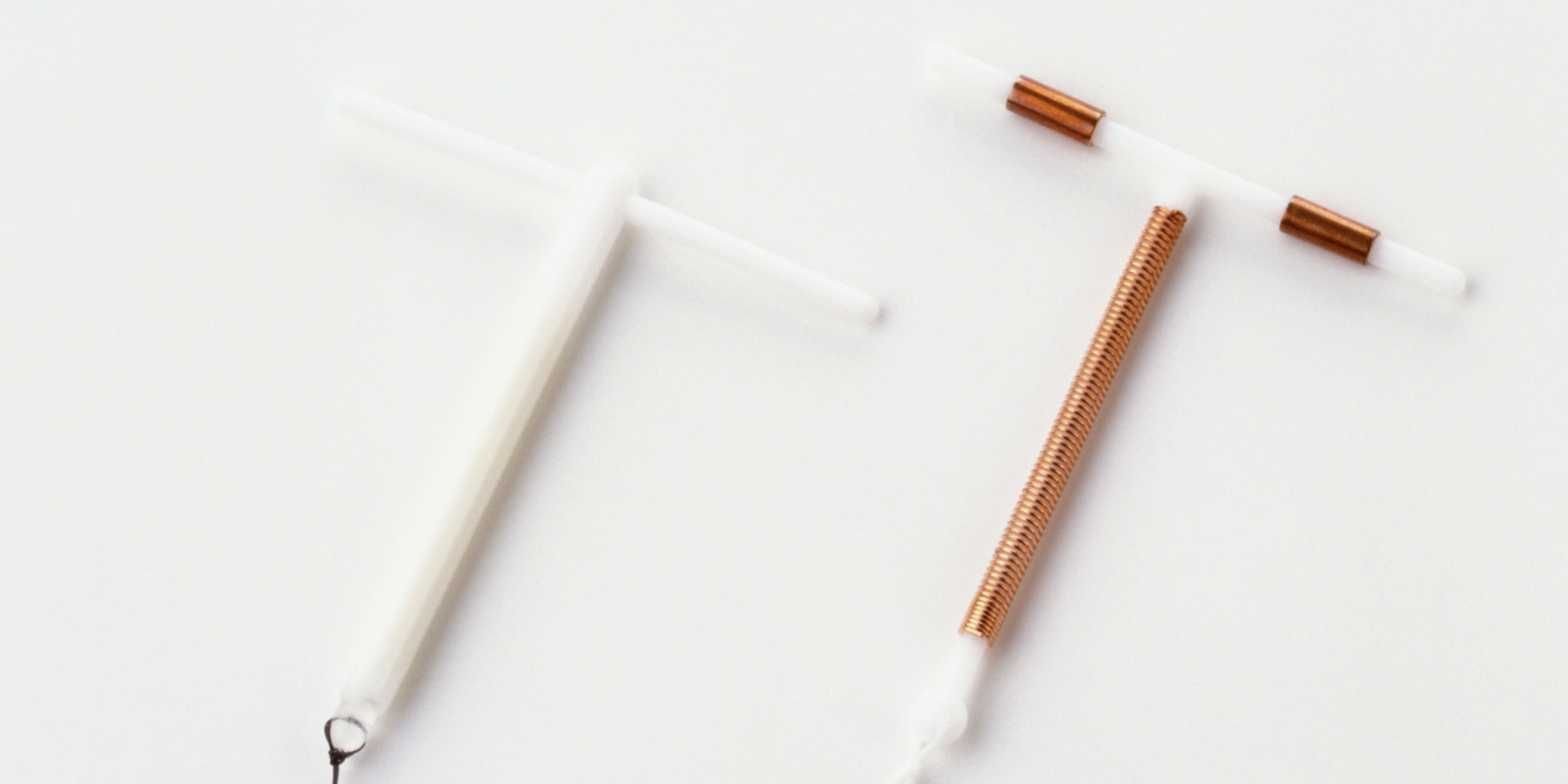
After researching my options, I considered the copper IUD. I went to an initial consultation appointment at the Margaret Pyke centre, where I was recommended the Nuvaring as an alternative. The Nuvaring was a 'compromise' between the IUD and hormonal birth control, as it contains localised hormones and doesn't involve the insertion process. I have been using the Nuvaring for a year and am pleased with it overall. Recently, I've been considering the copper IUD as I'd prefer to use a birth control without hormones (I think the hormones from the Nuvaring are still affecting my skin, albeit mildly) and the copper IUD is also safer and less hassle. I would no longer have to replace my Nuvaring every 3 weeks and get my prescription filled- the copper IUD lasts for 10 years.

credits: https://upload.wikimedia.org/wikipedia/en/7/7f/Real_nuvaring.jpg

I had a very good experience at the Margaret Pyke centre. The one near Kings Cross opened fairly recently, and is a very modern and comfortable clinic. I had to wait an hour for my appointment, but it wasn't a huge inconvenience as I had booked the morning off. The Margaret Pyke centre is one of the only sexual health services clinics in London, and it's understandable that it's overbooked. After an hour of waiting, I was met by a very friendly doctor who spoke to me in detail about the copper IUD, the insertion process and the risks and benefits. I had done extensive research previously online so I knew most of this information, but I did learn some new things! For example:

- the Gynefix has the same expulsion rates as the normal copper IUD. The insertion process is also more complicated, and also more painful as the Gynefix has to be 'stabbed' into the uterus to get it to stay in place! After the word 'stabbed' was used, I immediately decided to go for the copper IUD. No stabbing for me, please!

- tampons can be inserted 48 hours after the IUD is inserted.

- you don't need to be on your period when the IUD is inserted.

Credits: http://i.huffpost.com/gen/1433648/images/o-IUD-facebook.jpg

These are some common misconceptions I had read on the Internet, so I was pleased to have these rectified. The doctor who spoke to me was kind, open and straightforward. I also asked her questions about smear tests, and doing a STI checkup. I felt I was able to open up to her, and I trusted she would give me a frank, non-judgemental reply. I didn't feel rushed or nervous during my appointment, though I had been a little nervous beforehand. She said that the clinic was so busy it could be open 24/7 and still be over-booked, so I'm very happy that she didn't try to rush through the appointment.

Overall I was happy with the Margaret Pyke centre. For sexual health services, it's important to be in an environment that is open, friendly and non-judgemental and I think the Margaret Pyke centre achieves this. It's important to bear in mind that it is a public health centre so it's likely there will be some delays or inconveniences. Still, the centre is actually very nice and I didn't mind waiting in the waiting room, which was clean and spacious and had a very nice coffee machine and TV.

Fortunately, sexuality is a less touchy subject in the UK than it is in other places, like the US. I'm very grateful that there are services like these available publicly, and I think it's a necessity for any society. For some reason, morality has been linked with women's sexuality throughout history, and there are still vestiges of this remaining. From my experience, I certainly felt pressure to 'remain pure'  and not act like a 'slut.' These views are damaging for everyone- for women, who are trapped in these double standards, and even for men, who are viewed as animals with an uncontrollable need for sex. These views trap us in limiting stereotypes, and results in ignorance and fear. Here is an article about a birth control study in Colorado, which resulted in teenage pregnancy dropping by 40%, and abortions dropping by 42% over the course of the 6 year study. It's great that there are services like this available, and I'm reminded how lucky I am to have them available to me.